Address
304 North Cardinal
St. Dorchester Center, MA 02124
Work Hours
Monday to Friday: 7AM - 7PM
Weekend: 10AM - 5PM
Address
304 North Cardinal
St. Dorchester Center, MA 02124
Work Hours
Monday to Friday: 7AM - 7PM
Weekend: 10AM - 5PM
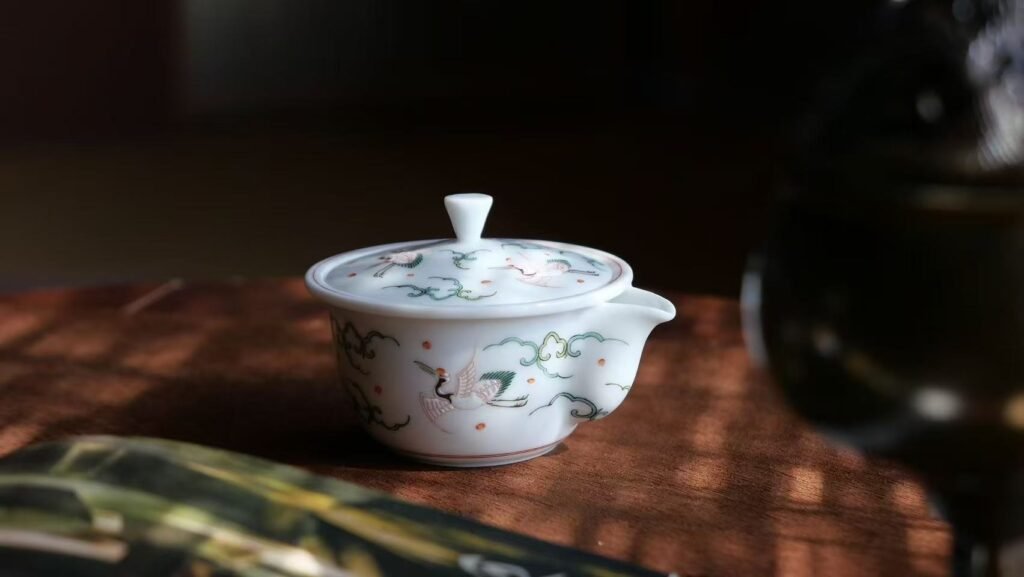
FExclusively for the Royal Family, a Symbol of Power and Nobility
Since the QSlow Growth and Extremely Long Harvesting Cycle
Phoebe nanmu is a slow-growing species, growing very slowly. A tree needs at least a century to grow before its core begins to form golden threads; reaching “high-quality” quality often requires hundreds or even thousands of years. This century-long growth cycle fundamentally prevents rapid and large-scale reproduction.
Historical Overharvesting
Thousands of years of large-scale imperial expropriation, particularly the centralized, reckless logging during the Ming and Qing dynasties, consumed virtually all mature golden nanmu trees in the Central Plains and surrounding areas. The folk song, “One thousand into the mountains, only five hundred out,” coined to find a single, suitable tree, captures the arduous task of logging and transportation, as well as the human cost. This predatory consumption has brought wild golden nanmu resources to the brink of depletion.
“The Gentleman of Woods,” the Spiritual Sustainment of Scholars
Beyond its imperial Strict Origin Restrictions
High-quality golden nanmu (Phoebe nanmu) has extremely demanding growing environments. It is primarily found in the dense forests of the mountains of Sichuan, Guizhou, and Hubei provinces in China, requiring specific microclimate and soil conditions. This highly concentrated production area further limits its total resource availability.
“Nine Out of Ten Nan Trees Are Hollow” and Low Timber Yield
The popular saying, “Nine Out of Ten Nan Trees Are Hollow,” refers to the fact that the heartwood of many old Nan trees is prone to hollowing or rotting. Even if a robust tree is found, intact, solid wood suitable for furniture or construction is rare, resulting in an extremely low yield, which undoubtedly exacerbates its scarcity.
Limitations of Modern Conservation Policies
Today, wild golden nanmu trees are listed as a Class II national protected plant, and logging is strictly prohibited. The material available on the market primarily comes from dismantled old buildings, ancient relics, and a small number of plantations. However, it will take a long time for plantations to reach the quality and specifications of the historical “royal wood.”

Golden nanmu, emerging from the mists of history, has witnessed the rise and fall of dynasties, carried the elegance of culture, and endowed itself with unparalleled characteristics of its time, yet endured a near-extinction. Its scarcity is the result of the combined effects of time, nature, and human activity. Today, every surviving piece of golden nanmu is a manifestation of value and a crystallization of history, a precious cultural treasure worthy of inheritance and cherishment.
We are passionate about design

famous designer
CEO

Architect
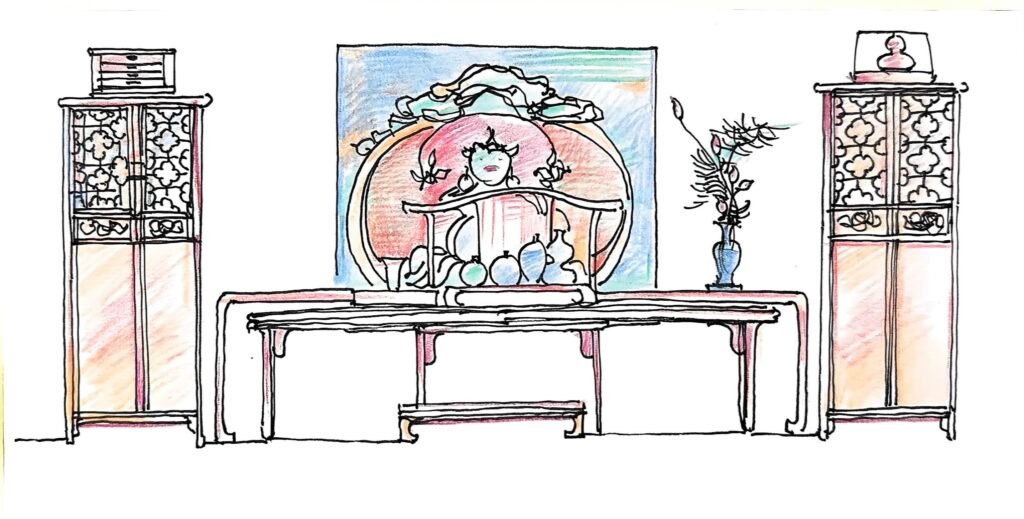
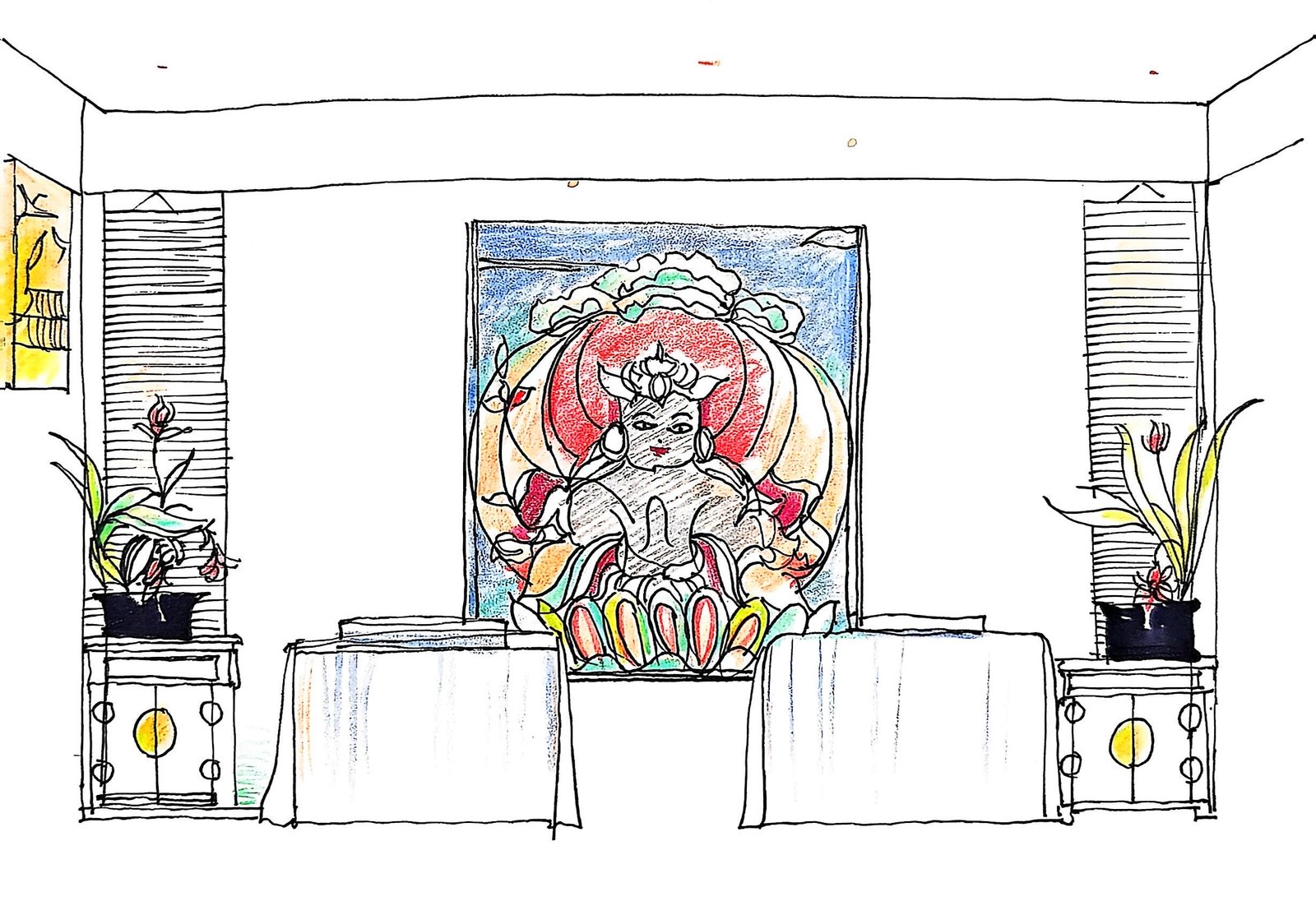
Golden nanmu isn’t a specific tree species, but rather a collective term for precious woods from the Phoebe and Phoebe genera in the Lauraceae family, known for their distinctive “golden” sheen and unique fragrance. More than just a type of wood, it’s a cultural symbol deeply rooted in Chinese civilization, carrying millennia of history, power, and aesthetics.
Some feedback from our clients
Aenean sed nibh a magna posuere tempor faucibus pellentesque in aliquet congue tempor conguenim.

Nunc purus est, consequat condimentum faucibus sed, iaculis sit amet massa fusce ac condimentum.

Aenean sed nibh a magna posuere tempor faucibus pellentesque in aliquet congue tempor conguenim.